

Used Ford F-150 Buying Guide
Used F-150 Buying Guide
Looking for a used Ford F-150 in Iowa? Start with the truck’s configuration, not just its appearance. An F-150’s engine, cab, bed, drivetrain, and equipment all affect how it drives and what it can handle. This guide from McGrath Family of Dealerships explains the differences so you can compare used F-150 trucks with a clearer idea of what you’re buying.
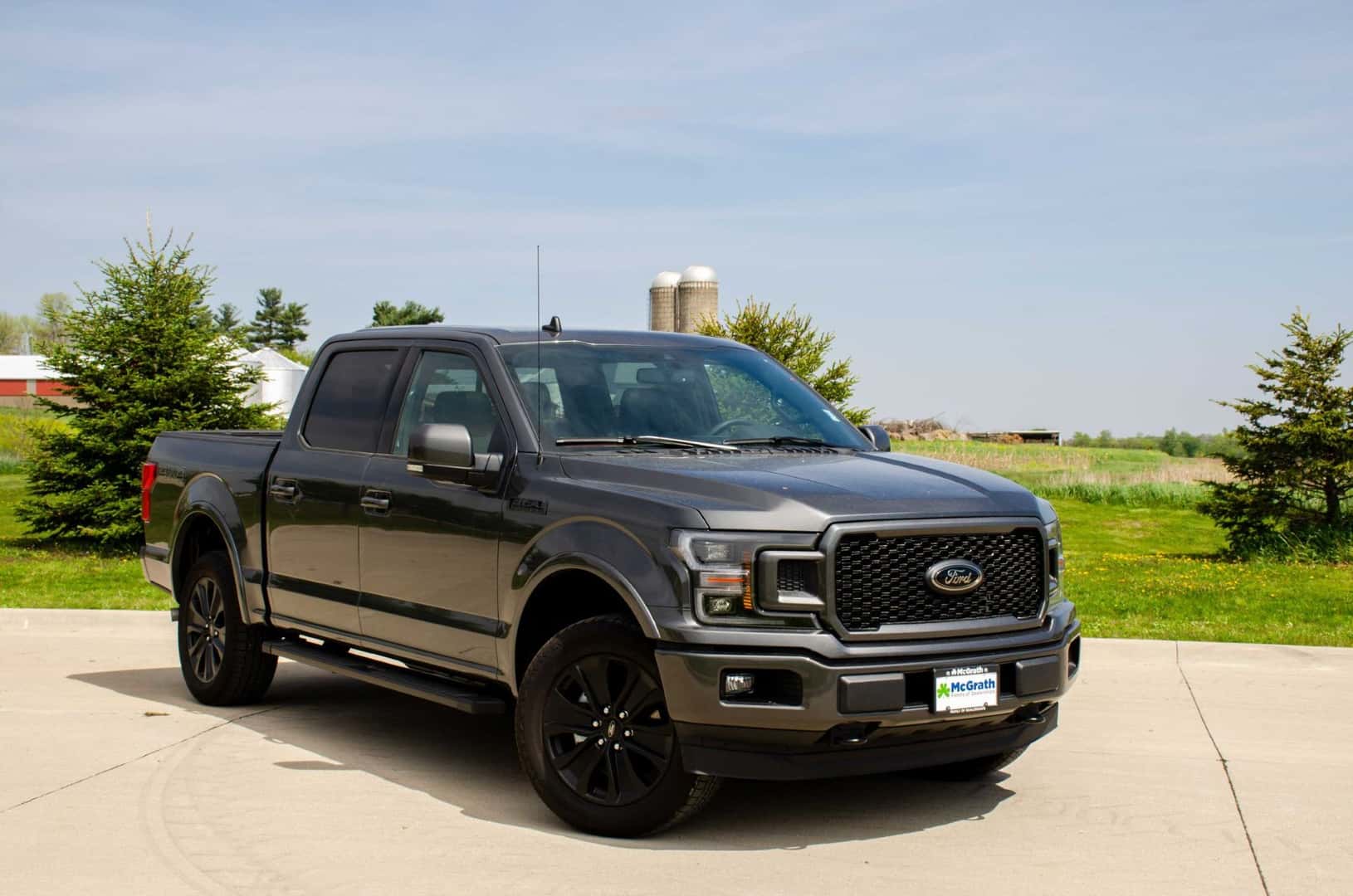
Used Ford F-150 Generations and Important Changes
| Model years | Key differences | Used-truck shopping focus |
|---|---|---|
| 2009–2014 | An older generation with a major engine-lineup change for 2011, including the 5.0L V8 and 3.5L EcoBoost. | Confirm the engine rather than assuming all trucks in this group share the same powertrain. Inspect age-related wear and corrosion. |
| 2015–2020 | A redesigned F-150 introduced an aluminum-alloy body over a steel frame and the available 2.7L EcoBoost. | Inspect both body repairs and frame condition. Aluminum body panels don’t eliminate the need for an underbody inspection. |
| 2017 update | A revised 3.5L EcoBoost paired with a 10-speed automatic. | Distinguish this combination from earlier 3.5L EcoBoost trucks. |
| 2018 update | Revised styling, a 3.3L base V6, wider 10-speed availability, and an available 3.0L Power Stroke diesel. | Confirm the transmission; not every 2018 F-150 uses the same one. |
| 2021–2023 | Another redesign introduced the available 3.5L PowerBoost full hybrid and additional technology. | Compare hybrid equipment, infotainment, and available onboard power features by vehicle. |
| 2024–2026 | Refreshed styling and equipment within the newer generation. | Verify installed features and avoid assuming a similar trim badge means identical equipment. |
The F-150 Lightning is a separate all-electric choice. Its charging, range, and ownership considerations differ from the gas, diesel, and hybrid trucks discussed here.
Used F-150 EcoBoost vs. V8 vs. PowerBoost
Twin-Turbocharged V6
2.7L EcoBoost V6
The twin-turbocharged 2.7L EcoBoost is worth comparing if you want a balance of everyday response and truck capability. Check the exact tow and payload ratings, especially when comparing it with a 3.5L EcoBoost truck.
EcoBoost V6
3.5L EcoBoost V6
The 3.5L EcoBoost appears in many capable towing configurations. Its output, transmission, and supporting equipment changed over time. A 3.5L badge doesn’t automatically mean the truck has a maximum towing package.
Naturally Aspirated V8
5.0L V8
Prefer a naturally aspirated V8? A used F-150 5.0L gives you another option to compare. Look at actual fuel costs, service records, and the model-year-specific powertrain. V8 and EcoBoost ownership costs depend on much more than cylinder count.
Gas-Electric Hybrid
3.5L PowerBoost Full Hybrid
Available starting in 2021, PowerBoost combines a gasoline engine with an electric motor and hybrid battery. It doesn’t need to be plugged in. Compare its fuel-economy estimates, service needs, and remaining hybrid-component coverage. If Pro Power Onboard interests you, verify the truck’s installed output and operating instructions.
Additional Powertrains
Other F-150 Engines
Older used F-150 listings can include naturally aspirated V6 engines, earlier V8s, and the 3.0L Power Stroke diesel. A lower purchase price can be appealing, but compare capability and maintenance requirements. Diesel ownership also adds fuel-system and emissions-system considerations.
Choose the F-150 Cab and Bed You Want
| Cab | What to know |
|---|---|
| Regular Cab | One seating row. Compare bed length and interior storage. |
| SuperCab | An extended cab with a smaller rear seating area. Door access and parking clearance deserve a test in person. |
| SuperCrew | Four full-size doors and more rear-seat room. Compare bed length and overall vehicle size. |
Bed availability depends on the year and cab. Sit in the back seat, inspect the bed, and check garage or parking dimensions before buying. XL, XLT, Lariat, King Ranch, and Platinum describe equipment levels; they don’t replace a configuration check.
How to Check a Used F-150’s Towing Capacity
The right question is, “What can this F-150 tow with my passengers and cargo on board?”
Use the correct model-year towing guide, original equipment information, and the truck’s labels to confirm:
- Engine and transmission.
- Axle ratio and drivetrain.
- Cab, bed, and wheelbase.
- Factory towing package and required equipment.
- Payload, axle limits, and gross vehicle weight rating.
- Receiver and hitch limits, plus trailer brake equipment where required.
Account for the Full Load
Passengers, bed cargo, accessories, and trailer tongue weight all use payload. Compare your trailer’s loaded weight, not just its empty or “dry” weight. Aftermarket equipment doesn’t automatically increase the truck’s factory ratings.

Understand the Ownership Tradeoffs
An older used F-150 may cost less upfront but need more near-term maintenance. A newer truck may include more technology, while also costing more to buy, insure, or repair.
EcoBoost, V8, diesel, and hybrid trucks have different powertrain designs and service needs. Compare fuel costs using the exact configuration rather than assuming one engine always saves money. Oversized tires, a lift, towing, and driving habits can change fuel use.
Likewise, 4WD adds capability for certain conditions, along with additional components to maintain. Our drivetrain comparison guide explains the differences. Our affordability guide helps you include ownership costs in your budget.
What to Check Before Buying a Used F-150
Ask for a cold start and have persistent rattles, misfires, leaks, or warning lights evaluated. Check transmission operation before and after the truck warms up, and ask about documented repairs or software updates.
Have a technician inspect the frame, suspension, brakes, tires, and 4WD system where equipped. Look for corrosion underneath even on aluminum-body trucks. Review body repair quality, especially where previous collision work is reported.
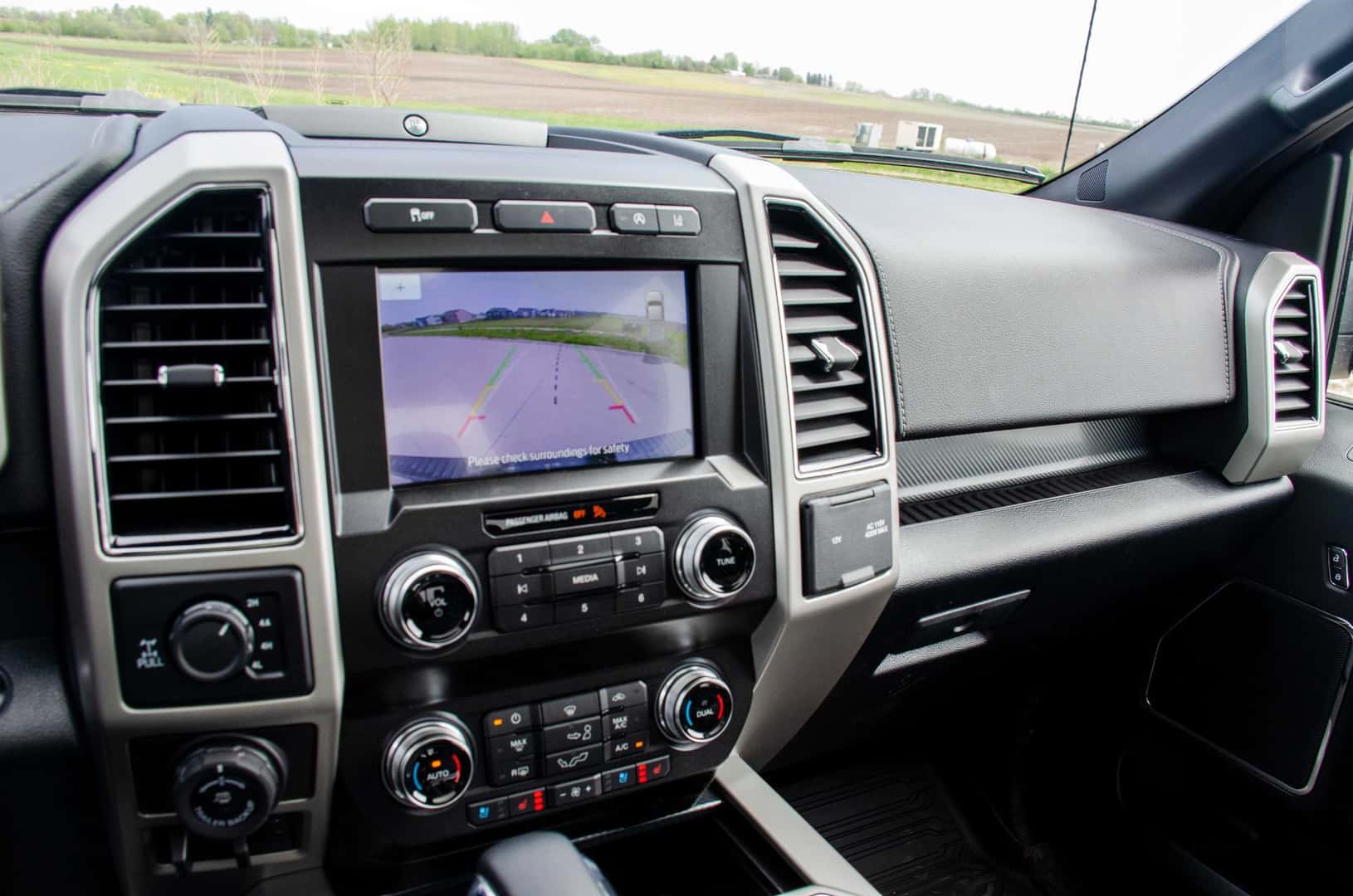
For turbocharged, diesel, or hybrid examples, request an inspection appropriate to that powertrain. Test cameras, infotainment, power accessories, and installed onboard power equipment. Review the VIN for open recalls and ask about completed recall work.
See our used car buying guide for inspection and paperwork questions you can bring along.

Used Ford F-150 FAQs
Is EcoBoost better than the 5.0L V8?
Either may fit your priorities. Compare specific model years, maintenance history, fuel costs, and actual towing and payload ratings. Test-drive both if you’re deciding between them.
Does every used F-150 have four-wheel drive?
No. Used F-150 trucks include rear-wheel-drive and four-wheel-drive configurations. Verify the equipment on the truck you’re considering.
Is a tow hitch the same as a factory towing package?
No. A hitch is one component. The package, engine, axle ratio, cooling equipment, and other specifications help determine the truck’s capability.
Compare Used Ford Trucks With McGrath
McGrath Family of Dealerships helps shoppers in Cedar Rapids, Hiawatha, Dubuque, Iowa City, Davenport, and surrounding communities compare used Ford F-150 trucks. Explore our F-150 research hub and Ford certified pre-owned guide.
Comparing a used F-150 vs. Silverado 1500? Read our used Silverado buying guide and compare equivalent cab styles, drivetrains, equipment, and vehicle condition.
