When your check engine light comes on, it can be alarming. This warning light indicates that your vehicle’s engine or emissions system needs attention. Understanding the common reasons for this alert can help you address potential issues promptly. Here are the top five reasons why your check engine light might be on:
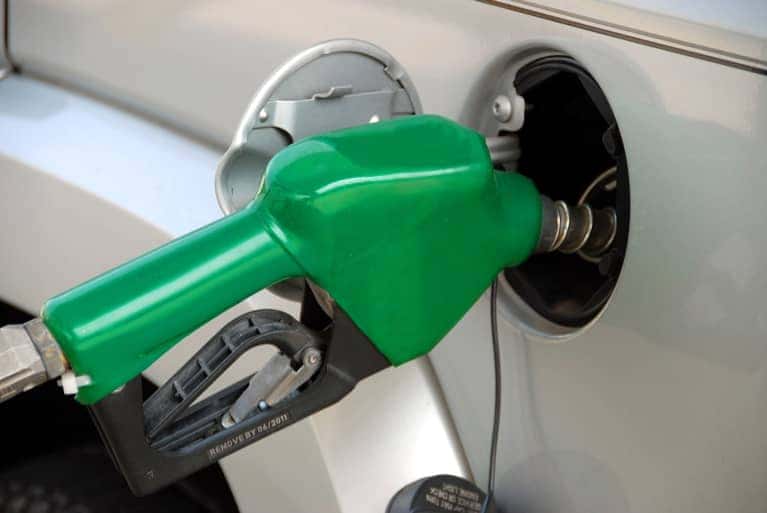
A loose or damaged gas cap is one of the most common reasons for a check engine light. If the cap isn’t sealed properly, it can lead to fuel vapors escaping and a drop in fuel efficiency. Simply tightening or replacing the gas cap might resolve the issue.
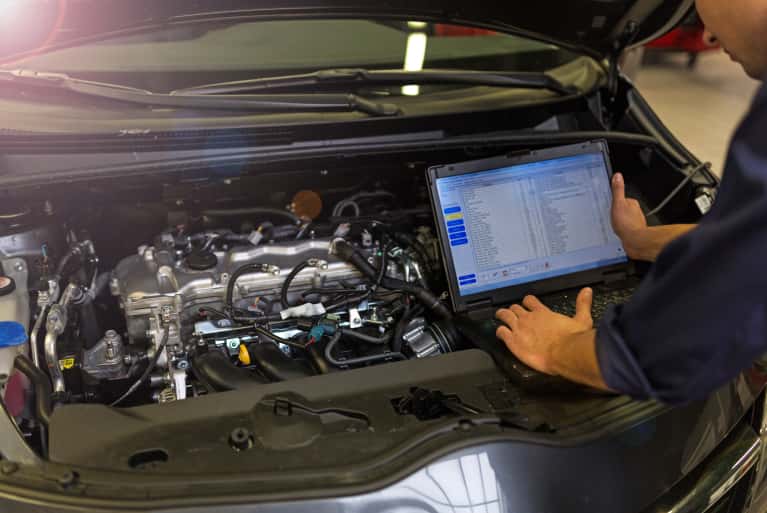
The oxygen sensor measures the level of unburned oxygen in your exhaust. A malfunctioning sensor can affect your vehicle’s fuel efficiency and emissions. If this sensor fails, it may cause your check engine light to turn on, signaling that it needs replacement.
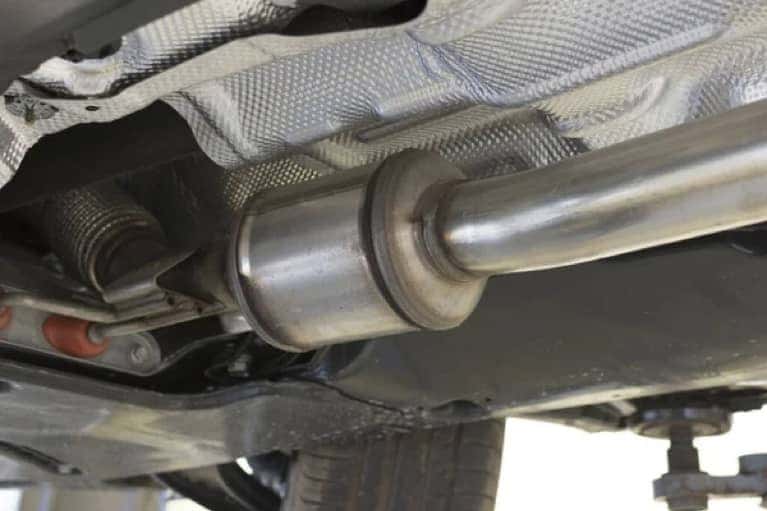
The catalytic converter helps reduce harmful emissions from your vehicle. If it becomes clogged or damaged, it can lead to poor engine performance and increased emissions. A faulty catalytic converter can trigger the check engine light and requires professional attention.
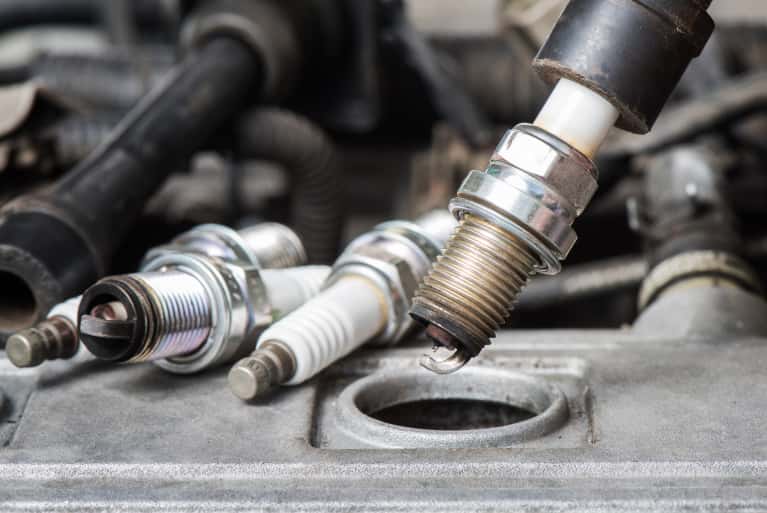
Spark plugs and ignition wires are crucial for the combustion process in your engine. If they are worn out or malfunctioning, it can cause misfires, reduced performance, and increased emissions. Replacing faulty spark plugs or wires can often resolve the check engine light issue.
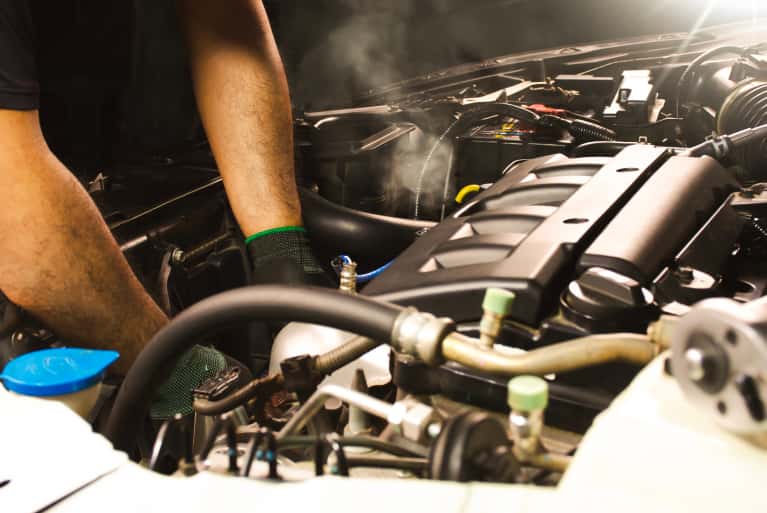
The mass airflow sensor measures the amount of air entering the engine and helps the engine control unit (ECU) regulate fuel injection. If this sensor fails, it can affect engine performance and fuel efficiency. A malfunctioning mass airflow sensor can trigger the check engine light.

If your check engine light is on, it’s essential to have your vehicle inspected by a professional. At McGrath Auto, our experienced technicians can diagnose the issue, recommend the necessary repairs, and get your vehicle running smoothly again. Schedule a service appointment with us today, and let us help you keep your vehicle in top condition.
Feel free to stop by or contact us if you have any questions or need further assistance. Your vehicle’s performance and safety are our top priorities.

Service Manager, Ford, Hiawatha
We often hear people say that it is okay to keep driving a vehicle if a check engine light stays on, but if it starts blinking or flashing, then you have to take immediate action. While that advice may have worked out for some people, it has also caused severe vehicle damage to others. Even if you notice that other than the check engine light, your vehicle seems fully functional. Do not delay. Continuing to drive with the check engine light on can potentially cause serious damage and costlier repairs.
The check engine light a vehicle is an indicator that something may be wrong with the engine or its components. When the light is illuminated constantly, it typically indicates a less urgent issue, such as a faulty sensor or a minor emissions problem. In such cases, it’s generally considered safe to continue driving the vehicle, though it’s important to have it checked by a mechanic as soon as possible to prevent any potential damage or further issues.
When the check engine light is flashing or blinking, it signifies a more serious problem that requires immediate attention. A flashing light usually indicates an engine misfire that could potentially cause severe damage immediately. If your check engine light begins flashing, it is advised to pull over and have the vehicle inspected there or towed to a mechanic for diagnosis.


