

AWD vs. 4WD vs. FWD: Which Drivetrain Is Right for You?
Vehicle Drivetrain Guide
AWD vs. 4WD vs. FWD: Which Drivetrain Is Right for You?
Wondering whether you need AWD, 4WD, or front-wheel drive for your next vehicle? The answer depends on the roads you drive, the conditions you encounter, and the costs you’re comfortable with. This guide from McGrath Family of Dealerships explains the differences in everyday language so you can compare used cars, trucks, and SUVs in Iowa with more confidence.

AWD vs. 4WD vs. FWD at a Glance
| Drivetrain | How it works | Reasons to consider it | Tradeoffs to compare |
|---|---|---|---|
| FWD: front-wheel drive | Sends engine power to the front wheels. | Everyday road use, often with a lower purchase price and fewer drivetrain components. | Less ability to distribute driving force across both axles on slippery surfaces. |
| AWD: all-wheel drive | Can send power to both axles automatically; operation varies by system. | Changing road conditions and added traction during acceleration. | Potentially higher purchase cost, added maintenance, and a fuel-economy difference in comparable models. |
| 4WD: four-wheel drive | Drives both axles through a system often found in trucks and more off-road-focused SUVs. | Low-traction surfaces and, when equipped, low-range capability. | More equipment to maintain and operating rules that depend on the system. |
Drivetrain names aren’t a complete specification. Some systems are full-time, some engage automatically, and others require driver selection. Check the owner’s manual for the vehicle you’re considering.
What Is Front-Wheel Drive?
Front-wheel drive uses the front tires to deliver power to the road. It’s common in used cars and crossover SUVs, including many gas-powered Toyota RAV4 configurations.
A used FWD vehicle can be a practical choice for paved-road driving. Compared with a similar AWD model, it may cost less and have fewer drivetrain components to service. Fuel economy can also differ, although the exact engine, transmission, and model matter.
Front-wheel drive can handle winter driving with appropriate tires and careful driving, but it may have less available traction when accelerating on steep or deeply snow-covered roads. Consider the conditions you regularly face.
What Is All-Wheel Drive?
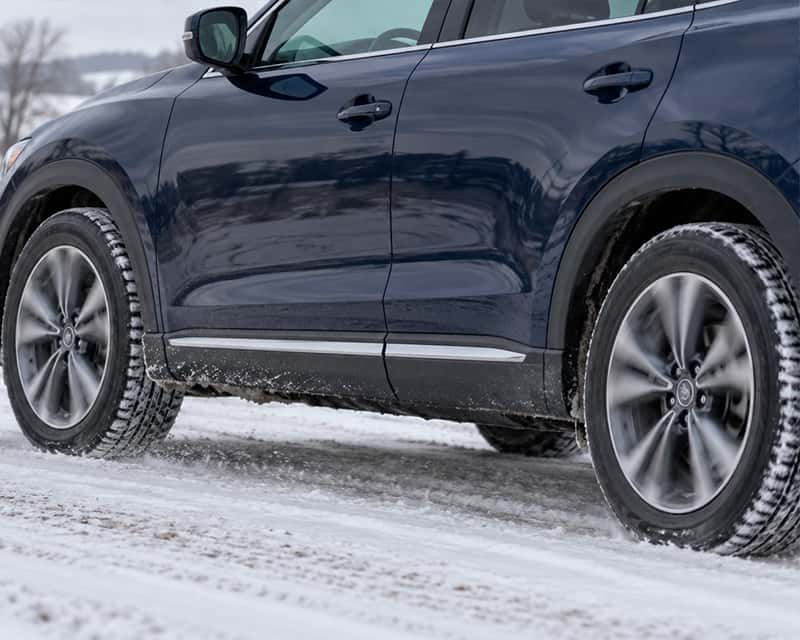
All-wheel drive can direct power to the front and rear axles. Many systems adjust automatically as conditions change; others deliver power to both axles more continuously. Hybrid and electric vehicles may use a separate electric motor to drive an axle.
AWD can help a vehicle get moving on a slippery surface. It doesn’t create unlimited grip or guarantee shorter stopping distances. Tires, speed, road conditions, and the vehicle’s overall condition still matter.
When buying a used AWD SUV, check the actual system, maintenance requirements, and tire recommendations. Our used Toyota RAV4 buying guide explains how AWD availability changes by year and powertrain.
What Is Four-Wheel Drive?
Four-wheel drive is common in used pickup trucks such as the Chevrolet Silverado 1500 and Ford F-150. Many systems offer selectable modes, and some include a low-range setting for low-speed conditions that call for additional gear reduction.
On many part-time systems, 4H and 4L aren’t intended for dry, high-traction pavement. Other vehicles offer an automatic or full-time mode that can be used in a wider range of conditions. Follow the specific vehicle’s manual; the controls and permitted uses aren’t identical.
If you’re comparing used 4×4 trucks, verify the equipment instead of assuming every 4WD truck has the same transfer case, modes, or off-road hardware.
Which Is Better for Iowa Winters: AWD, 4WD, or FWD?
AWD or 4WD can help with getting moving when traction is limited. The benefit may matter more if you regularly encounter unplowed roads, steep driveways, or variable surfaces.
FWD may still be a good fit if your driving is mainly on maintained roads and you budget for tires suited to the season. No drivetrain replaces sensible speed, extra following distance, or waiting when conditions are unsafe.
Ask Yourself:
- Are the roads I use usually plowed?
- Do I regularly climb steep, slippery grades?
- Do I need low-speed off-road capability?
- What will appropriate tires and drivetrain maintenance cost?
- Am I comparing similar vehicles, or very different sizes and powertrains?
Tires and Vehicle Condition Matter With Every Drivetrain
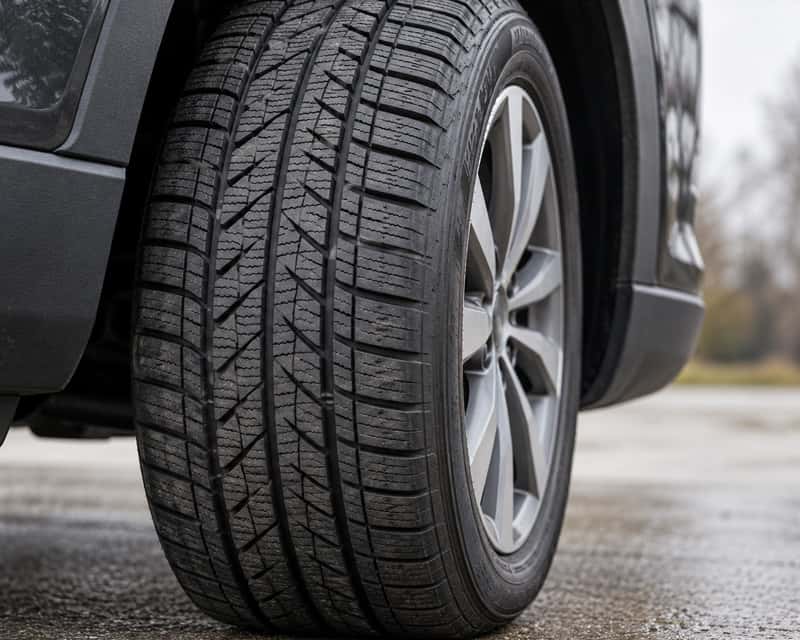
The tires connect the vehicle to the road. Winter tires are designed for cold-weather conditions and can improve traction for braking, steering, and acceleration compared with tires unsuited to those conditions.
Check tread, tire age, damage, and cold inflation pressure using the vehicle’s recommended specifications. AWD systems can be sensitive to differences in tire circumference, so follow manufacturer guidance on matching and replacement. A single damaged tire may affect the replacement plan for the full set.
Also inspect brakes, steering, suspension, and drivetrain components. AWD with worn tires or neglected maintenance isn’t a substitute for a well-maintained vehicle. Our used car buying guide covers additional checks.
Compare Fuel Economy, Maintenance, and Capability
AWD and 4WD can add weight and mechanical components. Compare fuel-economy estimates for the exact vehicles and budget for the services their manuals require. Don’t assume the difference is the same across every model.
For trucks, 4WD doesn’t automatically mean a higher towing capacity. The added equipment can affect vehicle weight and payload. Check the complete configuration before choosing a drivetrain around towing needs.
Learn more in our used Silverado 1500 guide and used F-150 guide. Use our car budget guide to include fuel and maintenance in the decision.
Drivetrain FAQs
Is AWD the same as 4WD?
Not necessarily. AWD commonly manages traction automatically, while many 4WD systems provide selectable modes and may include low range. Designs overlap, so check the actual vehicle’s system.
Does AWD help you stop on ice?
AWD primarily changes how driving power reaches the road. It doesn’t guarantee shorter braking distances. Appropriate tires, lower speeds, and more room to stop remain essential.
Can I use 4WD all the time?
Only if the vehicle’s system and selected mode are designed for it. Locked part-time 4WD modes generally shouldn’t be used on dry pavement. Follow the owner’s manual.
Where does rear-wheel drive fit in?
Rear-wheel drive sends power to the rear wheels. It’s common in two-wheel-drive pickups and some cars and SUVs. A “2WD” listing doesn’t automatically mean FWD; confirm which wheels are driven.
Find the Right Used Vehicle With McGrath
McGrath Family of Dealerships can help you compare drivetrains, features, and vehicle condition across Eastern Iowa. Tell us what roads and conditions you want to prepare for, then explore the options that fit your budget.
